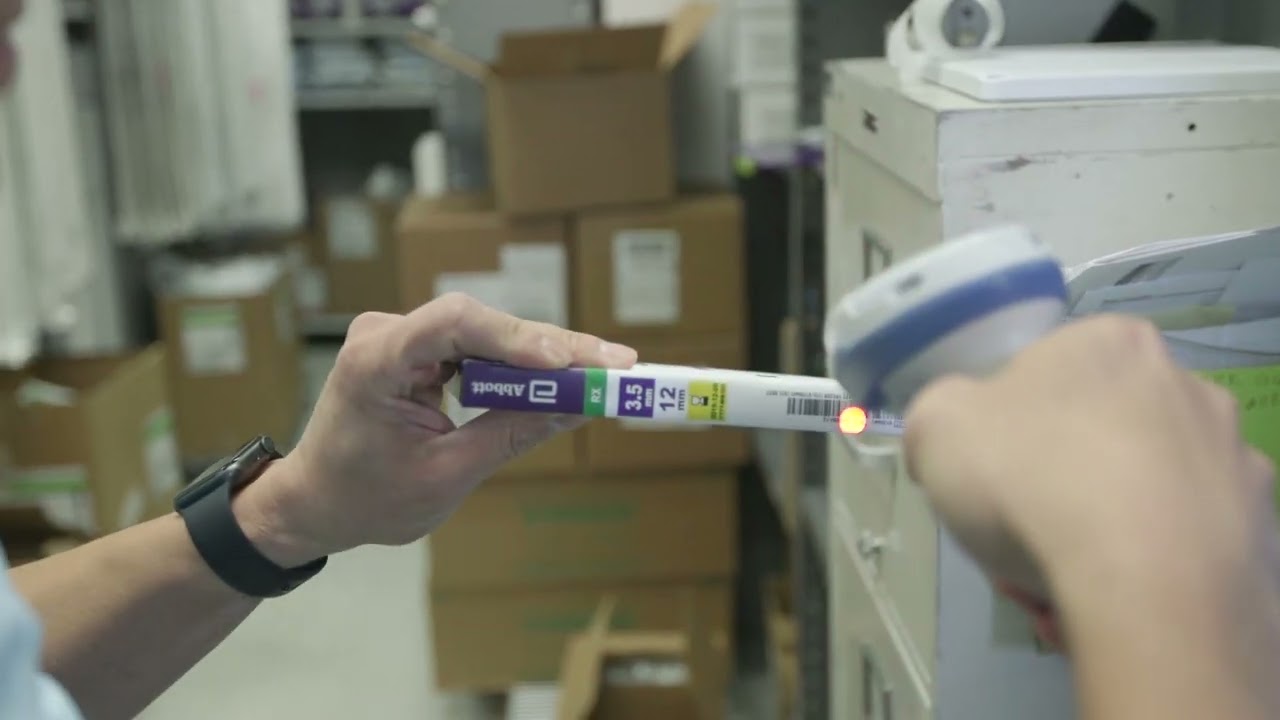
Hospital materials management starts with an uncomfortable reality: in high-cost procedural areas, supply waste is not always easy to spot.
A product may be opened for a case but never used. A specialty item may expire because no one saw the risk early enough. Par levels may creep up over time as teams try to protect against shortages. Ordering may be based more on habit or perceived need than on actual consumption.
These issues do not necessarily point to theft, negligence, or poor management. More often, they point to a visibility problem.
Effective hospital materials management depends on seeing what is happening at the individual item level. It covers the full supply cycle — how products are ordered, stocked, consumed, rotated, and retired — not just the moment waste occurs. Once hospitals have that visibility, they are in a much better position to manage supplies proactively across procurement, replenishment, and par management. VueTrack™ helps make that possible by giving supply chain and clinical teams the data they need to identify waste, prevent avoidable loss, right-size inventory, and maintain more disciplined replenishment over time.
1. Reducing Hidden Inventory Waste in the EP Lab
In one electrophysiology lab, VueTrack identified approximately $25,500 in wasted value in a single month from three ablation catheters that were opened for cases but not used on the patient.
At roughly $8,500 per catheter, even a small number of incidents can represent a meaningful loss.
This type of waste can easily get buried inside broader supply costs. Without item-level tracking, teams may not know which products were involved, which cases they were tied to, or how often the issue is occurring.
VueTrack brings that activity into view. Once the data is visible, teams can start asking more useful questions: Was the product opened because of physician preference? Was there a case change or cancellation? Was there a packaging issue? Was the workflow unclear?
The goal is not to assign blame. It is to see the pattern clearly enough to address it.
2. Preventing Expiration Waste in Interventional Radiology
Expiration is one of the most preventable forms of supply waste because the date is already known. The challenge is seeing the risk early enough to act on it.
In one interventional radiology department, the value of expiring inventory dropped by approximately 40% over 12 months, from about $250,000 to $149,000.
At the same time, expired removed value stayed flat and low — less than 0.5% of total on-hand inventory.
That distinction matters. It suggests the department was not simply finding expired products after the fact. The team was using visibility to act sooner, rotate stock, and prioritize products before they expired.
Interventional radiology departments often carry a broad mix of specialty devices, including stents, coils, catheters, and guidewires. Many of these items are low-volume and have varying shelf lives, which makes manual tracking difficult.
VueTrack flags products approaching expiration so teams can focus attention where it matters. In this example, the result was roughly $100,000 less in at-risk inventory without adding staff — a clear example of hospital materials management driven by earlier action, not more labor.
3. Right-Sizing Cath Lab Inventory
Inventory reduction can make clinical teams nervous, and understandably so. The goal is not to cut stock blindly. The goal is to reduce excess while protecting procedure readiness.
In one cath lab, excess inventory above suggested par levels dropped from approximately $1.4 million to $264,000 over 12 months — about an 80% reduction.
During that same period, total on-hand value remained steady at approximately $2.5 million.
That is the important part. The department reduced excess without a corresponding drop in overall readiness.
Cath labs are high-volume, high-cost environments. They manage physician preference items, a wide device catalog, and frequent procedure demands. Over time, par levels can grow as teams add buffer stock to avoid running short.
VueTrack analyzes actual consumption patterns and suggests par levels based on usage rather than historical assumptions. That gives supply chain teams evidence to adjust reorder quantities and reduce excess with greater clinical confidence.
In this case, more than $1 million in capital had been tied up on shelves above suggested par levels. Right-sizing that inventory is one of the most powerful forms of hospital materials management because it frees up resources without compromising readiness.
4. Sustaining Hospital Materials Management in the Cardiovascular Lab
The final measure is not a dramatic spike or drop. It is steady alignment.
In one cardiovascular lab, value added and value consumed stayed within approximately 8% of each other month over month. The department was ordering close to what it actually used, with minimal over-purchasing.
That may look simple, but it reflects a real operational change.
Before VueTrack, replenishment was often based on assumed need and historical averages. With VueTrack, ordering is informed by real consumption data and algorithm-recommended par levels.
Cardiovascular labs manage a broad range of cardiac devices, including stents, pacemakers, leads, and catheters. Keeping added and consumed value closely aligned across that mix reflects consistent, controlled, data-driven replenishment.
This is what the steady state looks like: waste is visible, expirations are managed, par levels are right-sized, and ordering discipline is maintained.
The Bigger Picture
These examples come from four different procedural areas:
- Electrophysiology: identifying products opened but not used
- Interventional Radiology: preventing expiration losses
- Cath Lab: reducing excess inventory above par
- Cardiovascular Lab: maintaining disciplined replenishment over time
Together, they show how item-level visibility turns hospital materials management into an ongoing, data-driven discipline rather than a periodic cleanup exercise. Across all four, the same core capabilities are at work: tracking real consumption, right-sizing par levels, controlling expiration, and aligning replenishment to actual demand.
The work is not just about finding waste after it happens. It is about giving clinical and supply chain teams the information they need to make better decisions every month.
Share this Post:
Featured Stories On Our Minds
From Inventory Visibility to Inventory Autonomy
Healthcare Supply Chain Software: Features, Types & How to Choose